

“Not that we are adequate in ourselves to consider anything as if it were coming from ourselves, but our adequacy is from God.” ( 2 Cor 3:5 NET)
One of the things that usually come with youthfulness is self-confidence. You believe in yourself. You believe in your abilities. You believe in your reasoning and in your analysis of issues. You believe in your future. But while it is good to have confidence in order to amount to anything in this life, it is important that our confidence be derived not from anything we believe we have in ourselves but from God, as we see in our opening bible text. (Cf. Jer 9:23; Phil 3:3).
Unfortunately, most young people who seem confident in life are not confident because of the presence of God in their lives; rather, they are confident because of certain abilities, skills or influence that they believe they possess. This explains why many of them are arrogant towards men and also towards God. And since arrogance brings downfall and destruction, they can only expect to fall and be destroyed before they are able to fully access and enjoy the good things God has prepared for them in this life (Prov 16:18).
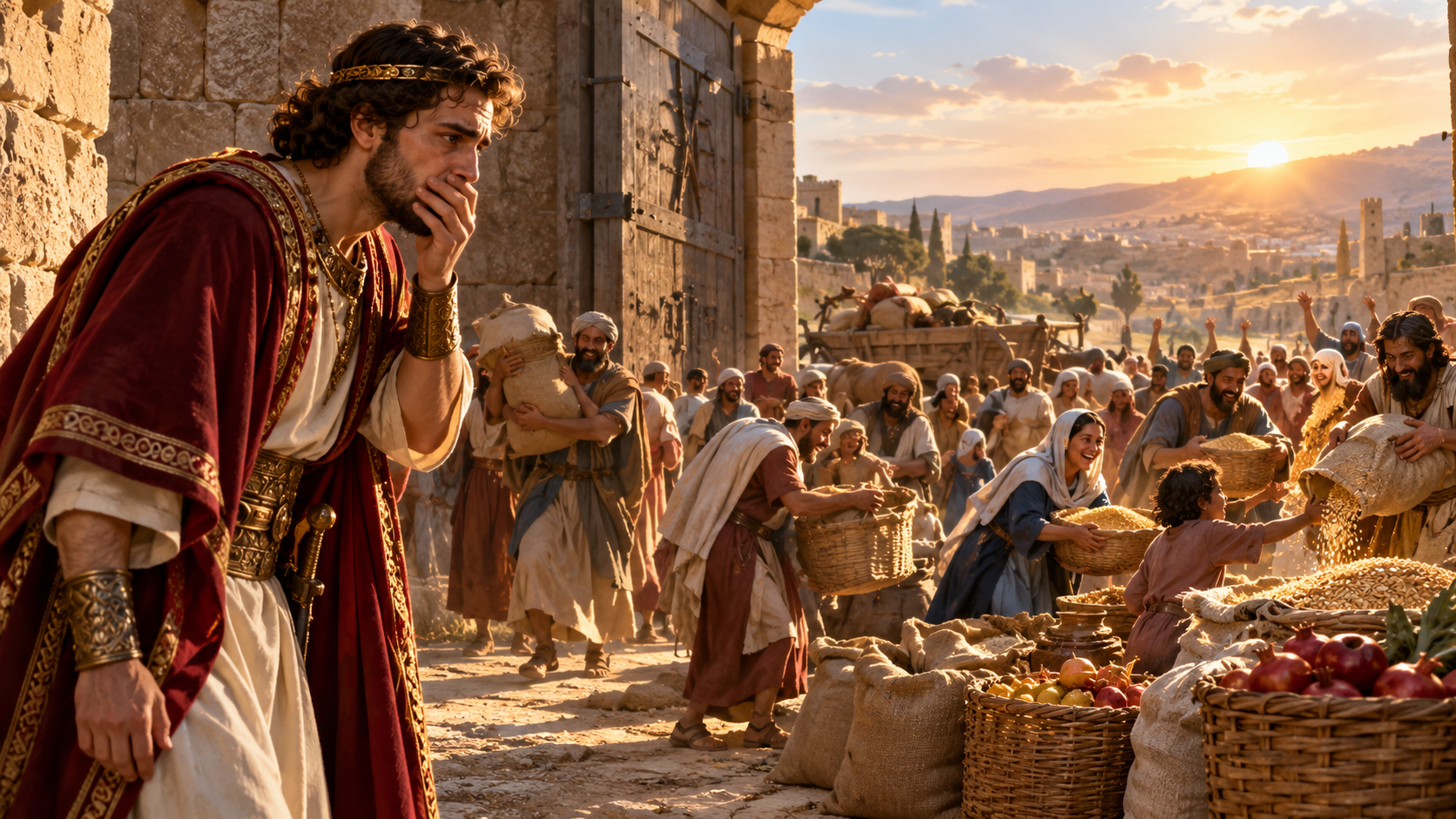
Do you remember the story of Elisha and an officer of one of the kings of Israel? It is actually a very familiar story. It tells of how the nation of Israel had experienced a severe famine and how God used the prophet Elisha to proclaim a message of plenty concerning the land. But then, this officer, most likely a young man, in his own lofty estimation of things, felt that what Elisha had said was impossible, both practically and supernaturally. And instead of keeping his unbelief to himself, he decided to voice it as some form of superior reasoning. He said to the man of God, “Do you really expect us to believe that? Trapdoors opening in the sky and food jumping out! Come off it! Even if God should do that, what you just said could never happen.” (Cf. 2 Kings 7:1–2)
Well, Elisha would not engage in a verbal or intellectual battle with this officer. Instead, he just told him what would happen to him because he despised the word of God. He said, “Well, you will see these things happen with your eyes, but you won’t have as much as a taste of them.” And that was exactly what happened. This man did see the outpouring of God’s goodness on the land, but he did not have a taste of it. Sad! Sad! Sad! (Cf. 2 Kings 7:2, 17–20)
Even today, as I move around, I still see a similar disposition in many young people. They arrogantly and foolishly despise the word of God that is being brought to them through different means and avenues. Some will even sit in church meetings and make fun of the teachings of the gospel, passing ridiculous comments about what they are being taught. And that is largely because they think they are way too smart to be guided or controlled by the wisdom of God—they know what to do with their lives.
But do they really know what to do with their lives? Can anyone really handle his life and give it meaning all by himself? Time will tell. But I will tell you this, dear young man or woman: don’t ever allow your so-called wealth, wisdom, strength, intelligence, skills or connections to set you against God’s word, so that you ignore, reject or despise it. That can only bring you to a place where you watch others enjoy God’s goodness while you waste away in miseries, misfortunes and pains. I pray that this never happens to you.
Enjoy your day.
Life application: Ask yourself honestly where your confidence really comes from—your talents, your grades, your connections or God. Take one plan you have made mainly on your own judgment and bring it to God’s word and to a godly, older believer before you go ahead with it. When a teaching challenges you, respond with humility and a willingness to learn, not with a clever remark.